
Anthropic may go public in 2026
Also: Why efforts to ban state-level AI rules may fail, and Waymo's win
Welcome to Cautious Optimism, a newsletter on tech, business and power.
Wednesday! Payroll data via ADP showed a 32,000 decline in jobs at private companies this November (economists on average expected an increase of 40,000). ADP had reported a gain of more than 42,000 jobs in October after declines in both September and August.
This is one way to get rate cuts, even if it’s going to stress everyone. We’ll get November jobs data from the BLS on Friday, and new official inflation data on December 10. — Alex
📈 Trending Up: US-Taiwan relations? … age-gated Internet … taking on Nvidia … taking on Nvidia … taking on Nvidia … our agentic future … tech cozying up to power
📉 Trending Down: Temu’s perch in the United States … the Statue of Liberty … EVs in the United States … economic data in China
Things That Matter
India backs down: After strident backlash and Apple saying no, the Indian government is no longer requiring smartphone manufacturers to pre-install and bake in the controversial Sanchar Saathi app.
Sanchar Saathi’s stated goal is to prevent phone theft and abuse of stolen handsets. But privacy advocates and smartphone makers alike saw the risk of abuse by those in power if an app with wide-ranging permission requirements was mandated to be installed on every device. The good news is that international furor won the day; the bad news is that governments are growing confident in their attempts to gather data on their citizens.
Anthropic bulls are having a day: The FT reports that Anthropic has “tapped law firm Wilson Sonsini to begin work on one of the largest initial public offerings ever,” and that it is in talks with “big investment banks” for an IPO that could happen as soon as next year.
Be still, my beating heart. With OpenAI reportedly working on a $1 trillion IPO, as of October, we now have a race on our hands.
It makes sense that Anthropic and OpenAI, two companies with plans to build immense infrastructure around AI, would want to raise more money. At the same time, markets appear wobbly, and AI sentiment seems gloomier than at any point in the past couple of years.
Claude Code has reached a $1 billion run rate, per Anthropic, “just six months after becoming available to the public.”
OpenAI has plans to get back on top of the AI leaderboards with two new models, but today I’d bet more on Anthropic going public than Sam Altman’s biggest project so far. How the turns table.
The power of mass media: While the Valley trumpets the benefits of companies going direct on social media channels and the like, last night I was reminded of the power of the mass media.
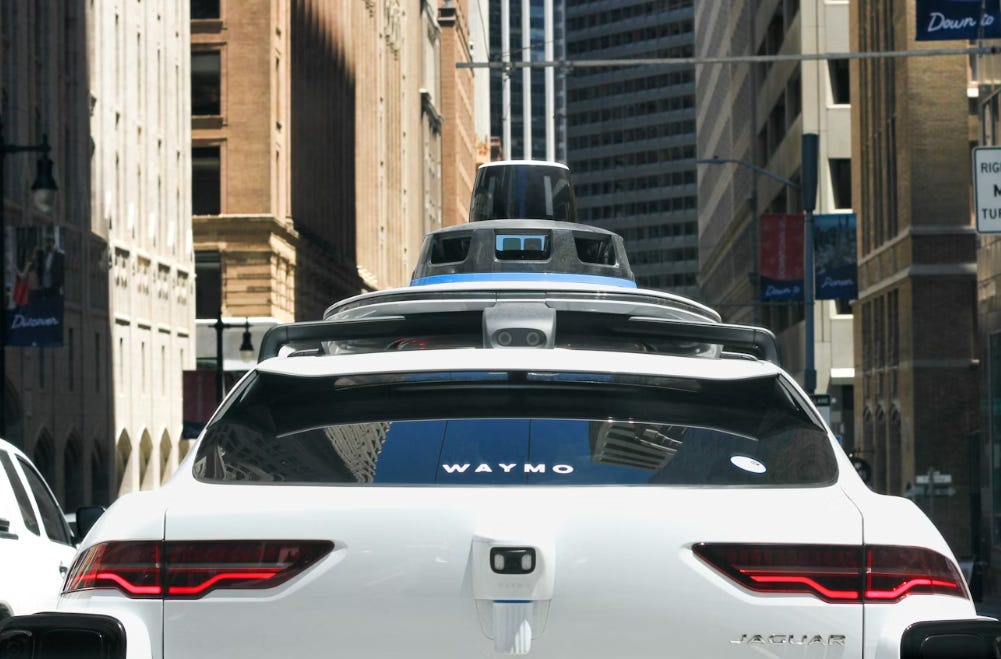
The New York Times recently put out a good piece on self-driving cars, safety and recent Waymo performance data. Anyone working in tech have known for a while that Waymos are safer than human drivers, thanks to the company’s regular disclosures of its accident data.
But when the Times covered the news, my father-in-law sent me the article and wanted to talk about it at family dinner. The table chatter was positive: Perhaps self-driving cars really are going to be safe enough to trust.
I’ve harbored a somewhat more extreme view for ages — that spreading self-driving technology quickly is a moral imperative to save human lives. Still, it’s notable that no amount of posting on X would have changed enough minds to matter.
Deals galore: Startup M&A was expected to trend higher again, especially after Meta escaped nearly unscathed from its recent antitrust scrap with the government, which allowed it to hold on to prior acquisitions that many felt had given the company a monopoly in the personal social networking market. The gates, proverbially, have been thrown open.
It’s too early to draw a clear line from that case to Bending Spoons buying Eventbrite, Anthropic buying Bun, ServiceNow buying Verza, or Marvell buying Celestial AI, but we are seeing a surprisingly active technology M&A market as the year comes to a close.
This is good news for venture investors generally, as they need exits in some form to help them return cash to their own backers.
Efforts to ban state-level AI rules may fail
The most interesting technology policy debate in Washington today is the fate of state-level AI regulations. The arguments for and against states having a say in AI policy are simple enough to summarize:
Why it makes sense: States are allowed to pass laws, and therefore can do so if they see fit. (See: The Tenth Amendment.)
Why it doesn’t: States should not pass their own AI regulations, as doing so would create a patchwork of regulations that AI companies would be forced to navigate. And state-level rules may trip the commerce clause, making their underlying legal foundation specious at best, and downright illegal at worst.
Democrats are broadly opposed to blocking state-level AI rules in Congress via whatever mechanism passes the final sniff test (perhaps some Federal funding to uncooperative states might be curtailed). Republicans are split, with the Executive branch and some members of Congress hewing to the industry’s argument that allowing states to set their own rules will hamstring the domestic AI industry.
But there’s an entire strain of the modern GOP that’s skeptical of technology companies and thinks that blocking state-level rules is asinine. The Daily Signal is skeptical of the push, prominent GOP governors are opposed, and Texas and Florida already have their own AI rules on the books.
Despite pressure from high-profile members of the Trump administration, it appears that the effort to ban states from making their own AI rules won’t be included in a must-pass defense funding bill. Expect another try.
In a perfect world, Congress would pass a bill that sets national rules for AI and leaves room for states to make their own decisions. But given our congressional morass, that seems unlikely.
State-level rules or nothing, then, appears to be the state of play.